Vertigo
Benign Paroxysmal Positional Vertigo
In a nutshell
-
Bening Paroxysmal positional vertigo is the most common cause of vertigo, causing a sensation of spinning lasting for a few seconds to a minute.
-
It is caused by dislodged calcium crystals in the balance organ of the inner ear.
-
It can be treated safely and effectively with the Epley manoeuvre.
What is Benign Paroxysmal Positional Vertigo
Benign Paroxysmal Positional Vertigo (BPPV) is a common condition of the inner ear, accounting for about 30% of all vertigo attacks. Most times it starts with sudden, intense episodes of dizziness or vertigo. The sensation of spinning or the feeling that the environment is moving is typically triggered by specific changes in head position, most commonly when bending over, looking up, lying on the bed or getting off the bed. It happens as small calcium carbonate crystals, that help detect gravity and movement, like a gyroscope, become dislodged from their normal location in the inner ear (semicircular canals) and move not another location. While BPPV is not life-threatening, it can significantly impact your quality of life and balance.

How do I know if it’s BPPV?
Typically, people experience a false feeling of spinning or movement. It can be triggered by specific head movements, such as bending over, tilting your head back, or turning in bed. In some cases, vertigo can cause nausea or vomiting and in some
others they have difficulty standing or walking due to dizziness, but once the dizziness settles, they feel better. It can occur in anyone, but it is most common in older adults, particularly those over 60. It may also occur after a head injury or because of other inner ear problems. Women are more likely to experience BPPV than men.
Dr Fragkiadakis will typically diagnose BPPV through a physical exam, including a test called the Dix-Hallpike manoeuvre. During this test Fragkiadakis will guide you through specific head movements to provoke symptoms and determine which ear and semicircular canal are affected. It is very important to identify the affected side, as treatment of the wrong side can lead to worsening symptoms.
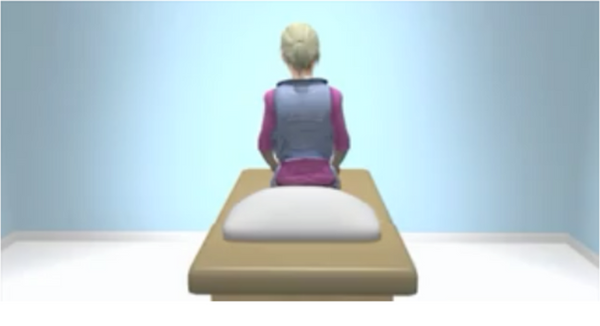
Dr Fragkiadakis will safely apply the treatment manoeuvre, called Epley’s manoeuvre. It takes about 2-3 minutes to do and the results are often excellent following just one session.
So, if you experience frequent episodes of vertigo, or if your dizziness is not improving with self-care, it’s important to seek medical help.
For more information click the link below
Meniere' Disease
What is Meniere’s disease?
Meniere's disease is a chronic condition of the inner ear that affects both hearing and balance. This disease can lead to sudden episodes of vertigo (dizziness), ringing in the ears (tinnitus), hearing loss, and a feeling of fullness or pressure in the ear. While Meniere's disease can be debilitating, there are treatment options available to help manage the symptoms.
What causes Meniere’s disease?
It can be caused by an abnormal amount of fluid buildup in the inner ear, also known as endolymphatic hydrops. The exact cause of Meniere's disease is not fully understood, but it may be related to a variety of factors, including genetics, viral infections, autoimmune responses, or an imbalance of fluids in the ear.
So, how do I know if it’s Meniere’s disease?
Typically, people experience a sensation of spinning or dizziness, lasting from 20 minutes to several hours and may be accompanied by nausea and vomiting. Hearing might worsen during episodes, but generally improves between them.
Additionally, people experience ringing, buzzing, or hissing sounds in the affected ear. Lastly, some have a sensation of fullness or pressure in the affected ear. This feels like having water trapped in the ear. There are several reasons for this condition, like fluid imbalance, genetics, viral infection, autoimmune disease or trauma. Dr Fragkiadakis will typically perform several tests, to establish a diagnosis and a treatment plan, including a comprehensive history and performing a physical
examination. Often additional tests are needed, such as hearing test (done by trained audiologist), balance tests and imaging like MRI and CTs.
So, once a diagnosis has been established, Dr Fragkiadakis will discuss with you the treatments, as the variety of treatment needs to be adjusted on the individual conditions and needs, in a personalised care approach.
What are the available treatments for Meniere’s disease
Treatments include medications, like diuretics (water tablets), anti sickness medication and steroids. Some people benefit from modifications in diet, stress management and ensuring good hydration. For more persistent cases, some patients need vestibular rehabilitation therapy. Lastly for the most severe cases, surgery might be indicated.
Living with Meniere's disease can be challenging, but with the right treatment and coping strategies, many individuals can manage the condition and maintain an active lifestyle.
If you experience frequent episodes of vertigo, or if your dizziness is not improving with self-care, it’s important to seek medical attention.
If you have any further queries call 02087207499 or email contact@entgeorge.com
Book an appointment

Book online an appointment
If you are experiencing ongoing ENT symptoms or
need specialist advice , we’re here to help.
Early diagnosis leads to better outcomes — don’t ignore persistent ear, nose,
or throat symptoms.