Nasal Blockage
What is Nasal Blockage?
Nasal blockage refers to a condition where one or both nasal passages become obstructed, making it difficult to breathe through the nose. This can be caused by swelling of the nasal tissues, a build-up of mucus, or structural issues within the nose. Nasal blockage is a common symptom, particularly when experiencing colds, allergies, sinus infections, or other respiratory conditions.
While nasal congestion or blockage can be temporary, it may also become a chronic concern. Chronic blockage can lead to ongoing discomfort, difficulty breathing, and a reduced quality of life. In some cases, it may disrupt sleep, cause snoring, or make it harder to get restful sleep. Dr Fragkiadakis can provide a thorough assessment and create a personalised treatment plan to address your symptoms effectively.
Why is My Nose Blocked?
Nasal blockage can result from various causes. The most common include:
-
Viral Infections (Common Cold and Flu): Infections such as colds or the flu can cause inflammation in the nasal passages, leading to swelling and increased mucus production.
-
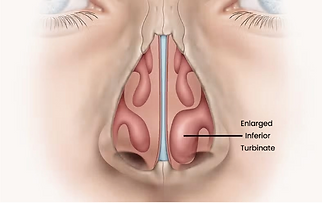
Rhinitis: This is inflammation of the nasal passages and can be classified as allergic (e.g. hay fever from pollen, dust mites, mould, pet dander) or non-allergic (triggered by odours, medications, temperature changes, or hormones). This results of an overgrowth of some intranasal structures called inferior turbinates (or conchae).
-
Sinusitis (Sinus Infection): Sinusitis involves inflammation of the sinuses around the nose and eyes, usually due to infection. This blocks sinus openings and prevents drainage, resulting in nasal blockage and congestion.
-
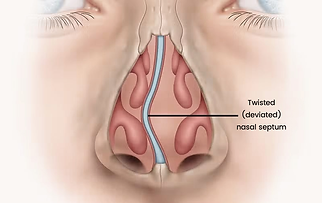
Deviated Nasal Septum: A crooked or off-centre wall between the nasal passages (which may be present from birth or the result of injury) can partially or fully block airflow.
-
Nasal Polyps: Noncancerous growths that develop due to chronic inflammation can obstruct the nasal passages and are often associated with asthma, allergies, or chronic sinus infections.
-
Environmental Irritants: Exposure to smoke, pollution, strong odours, or chemicals can irritate the nasal lining and cause congestion, particularly in those living in polluted areas or working with chemicals.
-
Hormonal Changes: Fluctuations in hormones, such as during pregnancy or in conditions like hypothyroidism (underactive thyroid gland), can lead to temporary swelling of nasal tissues. Pregnancy rhinitis is a common example.
-
Medications (Drug-Induced Rhinitis): Prolonged use of nasal decongestant sprays (like Sudafed and Otrivine) may cause rebound congestion (rhinitis medicamentosa), leading to a cycle of dependency.
-
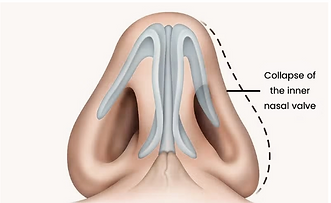
Structural Issues in the Nose: Other than a deviated septum, problems such as enlarged turbinates or collapse of nasal structures during breathing may cause blockage.
-
Enlarged Adenoids: In teenagers or young adults, enlarged adenoids (tissue at the back of the nose) can also cause nasal blockage.
Other Possible Symptoms
Besides difficulty breathing through the nose, nasal blockage may be accompanied by:
-
Nasal Congestion or Stuffiness: A sense of fullness or pressure in the nose, often coupled with inability to clear the passages.
-
Runny Nose (Rhinorrhoea): Excess mucus may drain from the nose or down the back of the throat (post-nasal drip), with the colour varying depending on the cause.
-
Sinus Pressure or Pain: Blocked nasal passages or sinuses may cause pain or pressure in the forehead, cheeks, and around the eyes, especially during infections.
-
Mouth Breathing: When nasal breathing is difficult, mouth breathing becomes more common, often resulting in a dry mouth and throat, particularly at night.
-
Decreased Sense of Smell or Taste: Nasal blockage can impair the sense of smell and, by extension, taste.
-
Snoring: Blocked nasal passages often lead to snoring, as breathing through the nose becomes more difficult and air is forced through the mouth during sleep.
-
Headache: Increased sinus pressure or difficulty breathing can cause headaches, especially in the morning or when lying down.
-
Fatigue: Chronic congestion can disrupt sleep, leading to tiredness, irritability, and reduced energy during the day.
Diagnostic Tests
To determine the cause of nasal blockage, Dr Fragkiadakis will take a thorough medical history and will perform a physical examination. This may include:
-
Examination of the Nasal Passages: Inspection with a nasal speculum or a flexible nasal endoscope (small camera) is used to check for swelling, polyps, deviated septum, or other abnormalities.
-
Imaging Tests: In cases of suspected sinusitis, polyps, or other issues, a CT scan of the sinuses may be requested for a detailed view and for preoperative assessment if surgery is considered.
-
Allergy Testing: If allergies are suspected, blood tests can help identify specific allergens.
Treatment Options
Treatment depends on the underlying cause of the nasal blockage and may include:
Medications
-
Decongestants: Oral or nasal decongestants reduce swelling in the nasal passages for easier breathing. Nasal sprays (e.g. Otrivine, Sudafed) should not be used for more than seven days to avoid rebound congestion.
-
Nasal Steroid Sprays: Medication such as Beconase, Flixonase, Avamys, and Nasonex help reduce inflammation and manage chronic conditions like allergic rhinitis or nasal polyps.
-
Antihistamines: Used for allergy-related symptoms, antihistamines reduce sneezing, itching, and congestion. They can be combined with nasal steroids in a spray.
-
Saline Nasal Irrigation: Rinsing with a saline solution (using a Neti pot or saline spray) helps clear mucus and allergens.
-
Antibiotics: If a bacterial infection such as bacterial sinusitis is responsible, antibiotics may be prescribed.
Home Remedies
-
Steam Inhalation: Inhaling steam from a hot shower or bowl of hot water can loosen mucus and ease congestion.
-
Humidifiers: Using a humidifier in the bedroom maintains moist air, reducing dryness and congestion.
-
Hydration: Drinking plenty of fluids thins mucus, facilitating its removal from the nasal passages.
Surgical Treatment
-
Rhinoplasty (Nose Job): Corrects structural abnormalities of the nose causing blockage.
-
Septoplasty: Straightens a deviated septum to improve airflow.
-
Reduction of the Inferior Turbinates: Surgical reduction of enlarged turbinates improves nasal breathing.
-
Sinus Surgery: For chronic sinusitis unresponsive to other treatments, functional endoscopic sinus surgery (FESS) may be recommended to clear blocked sinuses.
-
Vidian Nerve Neurectomy: In select cases, this procedure may be considered.
Prevention Tips
Although some causes of nasal blockage cannot be prevented (such as infections), you can reduce your risk by following these tips:
-
Avoid Allergens: Limit exposure to known allergens like pollen, dust, mould, and pet dander. Use air purifiers and keep windows closed during allergy season. For house dust allergies, use special mattress, duvet, and pillow covers.
-
Practice Good Hygiene: Wash hands regularly to reduce the risk of catching colds or flu.
-
Stay Hydrated: Drinking enough water helps keep nasal mucus thin and easier to clear.
-
Use a Humidifier: Keep indoor air moist, especially in winter when heating can dry the air.
-
Quit Smoking or Vaping: These irritate the nasal passages and can worsen congestion. Avoiding them protects your nasal health.
If you have any further queries call 02087207499 or email contact@entgeorge.com
Book an appointment

Book online an appointment
If you are experiencing ongoing ENT symptoms or
need specialist advice , we’re here to help.
Early diagnosis leads to better outcomes — don’t ignore persistent ear, nose,
or throat symptoms.